



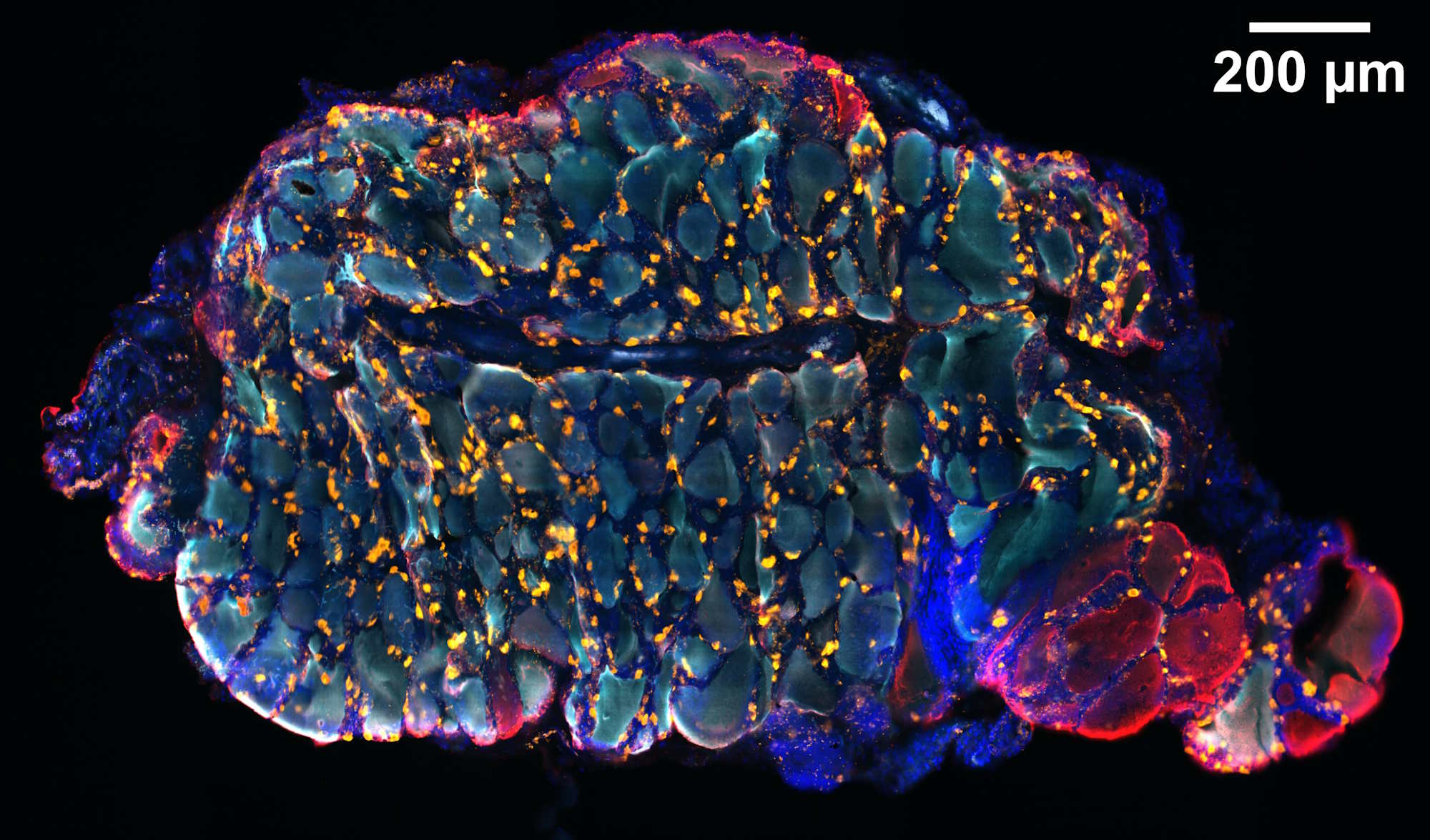
de Leeuw, V. C., Hessel, E. V., & Piersma, A. H. (2019) | Toxicology Letters, 303, 28–37
Summary
In vitro assays for evaluating developmental neurotoxicity are increasingly important.
In this study, the authors investigated the murine neural embryonic stem cell test (ESTn), a model of early embryonic brain development, to determine whether it could rank the toxic potency of three valproic acid analogues and provide insight into their mechanisms of action.
They examined the effects of valproic acid (VPA), 2-ethylhexanoic acid (EHA), and 2-ethyl-4-methylpentanoic acid (EMPA) across stem cells, neurons, astrocytes, and neural crest cells using immunocytochemistry and qPCR analysis.
Results showed that VPA and EHA, but not EMPA, reduced differentiation markers while increasing stem cell-associated markers such as Fut4 and Cdh1. Expression of Gfap, an astrocyte marker, was strongly decreased by VPA and EHA and confirmed through immunostaining. Based on the extent of gene expression changes, toxic potency was ranked as VPA > EHA > EMPA, consistent with known in vivo data.
The findings suggest that ESTn may provide a practical medium-throughput platform for assessing how compounds affect early brain cell differentiation.
Read the publication: https://doi.org/10.1016/j.toxlet.2018.12.005